


Metabolic Syndrome: The Clinical Turning Point You Can Still Reverse


If insulin resistance is the silent beginning, metabolic syndrome is the moment it becomes clinically visible.
This is where risk becomes measurable—and intervention becomes urgent.
Metabolic syndrome significantly increases the likelihood of:
Cardiovascular disease¹
Type 2 diabetes²
Stroke¹
Cognitive decline³
Importantly, this stage remains highly reversible with appropriate care.
What Is Metabolic Syndrome?
Metabolic syndrome is diagnosed when three or more of the following are present⁴:
Abdominal obesity (increased waist circumference)
Elevated triglycerides
Low HDL cholesterol
Elevated blood pressure
Elevated fasting glucose
At its core, metabolic syndrome represents advanced insulin resistance expressed across multiple organ systems.

1. Cardiovascular Risk Accelerates Rapidly
Metabolic syndrome promotes:
Endothelial dysfunction¹
Atherosclerosis¹
Increased clotting risk¹
Patients often feel well while vascular disease progresses silently.
2. Progression to Diabetes
Without intervention, many patients progress to type 2 diabetes².
This transition reflects:
Declining pancreatic reserve
Persistent hyperglycemia
Increasing metabolic injury
3. Brain and Cognitive Effects
Metabolic syndrome is associated with:
Reduced cerebral blood flow³
Increased dementia risk³
Impaired cognitive performance³
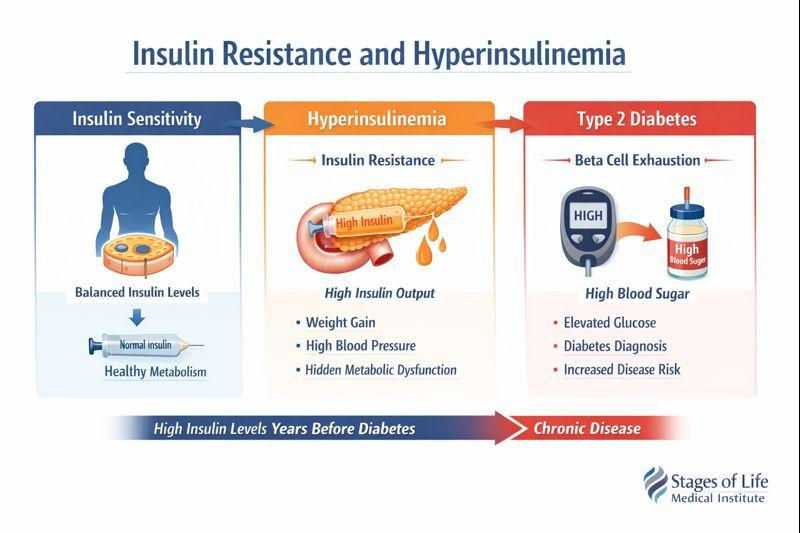
What Drives Metabolic Syndrome?
The same factors that initiate insulin resistance continue to push disease forward:
Sedentary lifestyle⁶
Visceral fat accumulation⁵
Chronic inflammation⁶
Hormonal imbalance⁶
How to Detect It Early
Routine screening should include:
Waist circumference
Lipid panel (triglycerides, HDL)
Blood pressure
Fasting glucose
However, earlier detection is possible with:
Fasting insulin
HOMA-IR
Triglyceride/HDL ratio
These allow identification of metabolic dysfunction before full syndrome develops.

Clinical Approach to Reversal
1. Nutrition
Reduce processed carbohydrates and sugars⁵
Emphasize protein and healthy fats
Stabilize blood glucose patterns
2. Exercise
Resistance training improves insulin sensitivity⁶
Aerobic exercise reduces visceral fat⁶
3. Weight Reduction
Even modest weight loss improves metabolic markers significantly⁵.
4. Targeted Supplementation
Evidence-supported options may include:
Berberine
Omega-3 fatty acids
Magnesium
Alpha-lipoic acid
5. Hormonal Optimization
Addressing these can significantly improve metabolic outcomes⁶:
Testosterone
Thyroid function
Cortisol
Related Topics
Bottom Line
Metabolic syndrome represents a critical, actionable turning point in chronic disease progression.
At this stage, intervention is often highly effective in reversing risk and restoring metabolic health¹⁻².
Call to Action
At Stages of Life Medical Institute, we specialize in identifying and reversing metabolic syndrome before it progresses to diabetes or cardiovascular disease.
👉 Become a Patient:https://stagesoflifemedicalinstitute.com
References
Grundy SM. Metabolic syndrome pandemic. Arterioscler Thromb Vasc Biol. 2008.
Alberti KG, et al. Harmonizing the metabolic syndrome. Circulation. 2009.
Yates KF, et al. Metabolic syndrome and cognitive decline. J Alzheimers Dis. 2012.
National Cholesterol Education Program (NCEP). ATP III guidelines.
Kahn SE, et al. Mechanisms linking obesity to insulin resistance. Nature. 2006.
Samuel VT, Shulman GI. The pathogenesis of insulin resistance. Cell. 2012.
The medical references cited in this article are provided for educational purposes only and are intended to support general scientific discussion. They are not a substitute for individualized medical advice, diagnosis, or treatment. Clinical decisions should always be made in consultation with a qualified healthcare professional who can account for a patient’s unique medical history, medications, and circumstances.


1917 Boothe Circle, Suite 171
Longwood, Florida 32750
Tel: 407-679-3337
Fax: 407-678-7246



.webp)