


Perimenopause & Menopause Supplements: What Helps, What Doesn't, and When HRT Makes More Sense

You bought the magnesium. Tried the menopause gummies. Maybe even added a supplement promising to help with hot flashes, brain fog, and stubborn belly fat.
But are any of them actually making a difference?
With so many perimenopause supplements on the market, figuring out what's worth taking can feel like a guessing game. According to The Menopause Society, many popular herbal remedies still lack consistent evidence for treating hot flashes and night sweats.
So, which supplements deserve a closer look, which claims should you question, and when might hormone replacement therapy (HRT) offer a more effective approach?
Let's break down the research so you can make a more informed decision.
Key Takeaways
Not all menopause supplements serve the same purpose - Magnesium, calcium, and vitamin D support essential bodily functions, while herbal supplements have limited evidence for symptom relief.
Some supplements show promise - Rhapontic rhubarb and soy isoflavones have been studied for potential hot-flash relief, although findings vary.
No supplement is proven to specifically target menopause belly fat or treat menopause-related brain fog - Addressing contributing health factors may be more helpful.
HRT may offer more effective symptom relief - Systemic hormone therapy is an established treatment for hot flashes and night sweats, but it isn't appropriate for everyone.
Do Perimenopause and Menopause Supplements Actually Work?
Some perimenopause and menopause supplements do exactly what they're supposed to. Others promise much more than the research can support.
During perimenopause, estrogen and progesterone levels fluctuate, potentially contributing to hot flashes, disrupted sleep, changes in mood, and irregular periods. As estrogen levels decline around menopause, women may also experience vaginal dryness and accelerated bone loss.
It's understandable to look for relief in the supplement aisle, especially if you're interested in options that don't require a prescription. But here's the distinction that matters: supporting your health isn't the same as treating menopause symptoms.
Most supplements for perimenopause fall into two categories:
Nutritional supplements: Magnesium, calcium, and vitamin D support essential bodily functions and can help address inadequate nutrient intake.
Symptom-focused supplements: Rhapontic rhubarb, soy isoflavones, and black cohosh are marketed for symptoms such as hot flashes and night sweats, although evidence of effectiveness varies.
The National Center for Complementary and Integrative Health (NCCIH) notes that herbal products and dietary supplements have not consistently demonstrated effectiveness for relieving menopause symptoms.
That doesn't make every supplement a waste of money. It means the best choice depends on what you're hoping to improve and whether there's evidence to support it.
What Are the Best Supplements for Perimenopause?
There's no single best menopause supplement for everyone, despite what the labels may suggest. Some ingredients are useful for supporting bone health or meeting nutritional needs. Others have been studied for symptom relief but still lack convincing clinical evidence.
Here's how popular options compare.
Supplement | What It May Help With | What the Research Says |
Rhapontic rhubarb extract | Studied for hot flashes and other menopause symptoms | Small clinical studies of certain standardized rhapontic rhubarb extracts have reported encouraging results for menopause-related symptoms, including hot flashes. |
Magnesium | Normal muscle, nerve, and bone function | Adequate intake helps maintain important physiological functions during menopause. |
Calcium and vitamin D | Maintaining bone health | Established roles in bone health, particularly when intake is inadequate. |
Soy isoflavones | Potentially modest hot-flash relief | Research is mixed, with inconsistent results. |
Black cohosh | Studied for hot flashes and night sweats | Some product-specific studies suggest benefits; evidence and safety concerns remain. |
DHEA | Studied for hormonal and sexual health concerns | Supports the body's natural production of estrogen and testosterone and plays an important role in hormonal health. |
The best supplements for perimenopause depend on your individual health needs and the symptoms you're experiencing. Understanding how each ingredient supports the body can help you make more informed choices about your menopause wellness routine.
1. Rhapontic Rhubarb Extract: A Promising Botanical for Menopause Support
Rhapontic rhubarb (Rheum rhaponticum) is a botanical ingredient studied for its potential effects on menopause symptoms. Small clinical trials of specific standardized extracts have reported improvements in some symptoms, including hot flashes.
Stages of Life Medical Institute offers Rhubestryn, a rhapontic rhubarb supplement formulated to support women during hormonal transitions and promote healthy hormone balance. However, rhapontic rhubarb should not be considered a proven replacement for prescription estrogen therapy.

Interested in the research? Read our detailed article on Rhubestryn and rhapontic rhubarb extract for menopause symptoms.
2. Magnesium for Menopause: More Than a Sleep Supplement
Magnesium has become a favorite among women searching for ways to improve sleep, mood, and muscle discomfort during menopause.
Unlike many ingredients marketed for menopause, magnesium is an essential mineral with well-established roles in everyday health.
Magnesium supplements come in several formulations, which can differ in absorption and digestive effects. Choosing the right option depends on your nutritional needs, medications, and medical history.
Stages of Life Medical Institute offers Chelated Magnesium among its nutritional supplements.

While magnesium is not an established treatment for hot flashes or menopause-related insomnia, adequate intake supports essential physiological functions during this stage of life.
According to the NIH Office of Dietary Supplements, excessive magnesium from supplements can cause gastrointestinal side effects and, at very high doses, more serious complications. Discuss magnesium supplementation with your healthcare provider, particularly if you take medications or have kidney disease.
Adequate magnesium intake supports muscle and nerve function, energy production, and bone health, making it an important part of maintaining nutritional wellness during menopause.
For a closer look at supplement formulations, explore our guide to magnesium chelates and their benefits.
For a closer look at the different formulations, explore our guide to magnesium chelates and their benefits.
3. Calcium and Vitamin D: Don't Overlook Bone Health
Hot flashes might get the most attention, but some of menopause's most important changes happen quietly. Declining estrogen levels can accelerate bone loss, raising the risk of osteoporosis and fractures.
Calcium and vitamin D are essential for maintaining bone health, although they serve different purposes. Calcium helps build and maintain bones, while vitamin D supports calcium absorption.

Maintaining adequate calcium and vitamin D intake is especially important during menopause, when declining estrogen levels can accelerate bone loss.
For women who don't get enough through their diet or other sources, supplements may help meet their nutritional needs and support bone health.
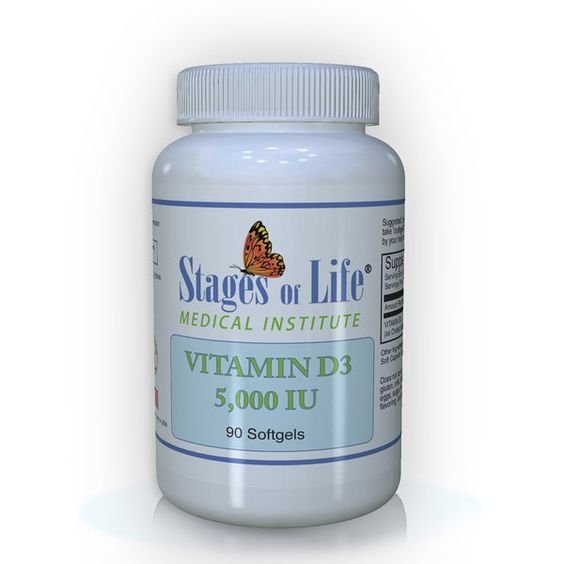
Your healthcare provider can help evaluate your intake, medical history, and fracture risk to determine whether supplements are appropriate.
For additional guidance, visit the NIH's calcium fact sheet and vitamin D fact sheet.
4. Soy Isoflavones and Black Cohosh: Popular Doesn't Always Mean Proven
Soy isoflavones and black cohosh appear in many products marketed as the best supplements for perimenopause. Both have been studied for menopause symptom relief, but their effectiveness remains uncertain.
Soy isoflavones are plant compounds that can interact with estrogen receptors. Some studies suggest small reductions in hot flashes, while others have found limited benefit.
Black cohosh is an herbal ingredient that has shown possible benefits in certain studies, although results differ across formulations.
There are also safety considerations.
Rare cases of serious liver injury have been reported in people taking products labeled as black cohosh, although the ingredient's role hasn't been established.
The NCCIH's black cohosh review discusses both its potential benefits and safety concerns.
If you're considering either ingredient, check with your healthcare provider, especially if you have a history of hormone-sensitive conditions or take prescription medications.
5. DHEA: Supporting the Body's Natural Hormone Production
DHEA, or dehydroepiandrosterone, is a naturally occurring hormone produced primarily by the adrenal glands. The body can convert it into other hormones, including estrogen and testosterone.
DHEA levels generally decline with age, leading researchers to explore its potential role in hormonal health and aging.
Stages of Life Medical Institute offers DHEA 10 mg as part of its supplement selection. Because DHEA can influence hormone activity, its use should be individualized with guidance from a qualified healthcare professional.
The benefits of oral DHEA supplementation for menopause symptoms are still being studied, so treatment decisions should reflect each patient's health history and needs.
Which Supplements Help With Specific Menopause Symptoms?
Sometimes you're not looking for a supplement that does everything. You just want relief from the one symptom making everyday life more difficult.
Here's what to know about three common concerns.
Supplements for Menopause Joint Pain
If your knees feel stiff in the morning or your joints seem achier than usual, hormonal changes may be one contributing factor. However, arthritis, inflammatory conditions, and other medical problems can cause similar symptoms.
Collagen, turmeric, and omega-3 supplements are frequently promoted for joint comfort, and some have been studied for conditions such as osteoarthritis.
If you experience persistent joint pain, swelling, or difficulty moving, a medical evaluation can help identify the cause before you try another supplement.
Best Supplements for Menopause Belly Fat
One of the more frustrating changes during menopause is the shift toward storing more fat around the abdomen. Hormonal changes can contribute, but aging, muscle loss, sleep, activity levels, and metabolic health also play roles.
For women who meet medical eligibility criteria for weight-management medication, prescription options such as Zepbound® (tirzepatide) may be worth discussing with a healthcare provider.
Learn more in our article on Zepbound and menopausal weight loss.
Best Supplements for Menopause Brain Fog
Forgot why you opened the refrigerator? Lost your train of thought halfway through a conversation?
Difficulty concentrating and forgetfulness can become more noticeable during perimenopause, particularly when sleep is suffering.
Supplements containing B vitamins, omega-3 fatty acids, and other ingredients are often marketed for cognitive support.
Nutritional deficiencies, thyroid problems, medications, poor sleep, and other health conditions may contribute to similar symptoms. If a nutrient deficiency is contributing to concentration difficulties, correcting it may help improve those symptoms.
For persistent or worsening cognitive symptoms, a medical evaluation can help identify potential causes.
Not Sure Which Approach Makes Sense? Start With Your Symptoms
Rather than building a supplement routine around every possible menopause symptom, consider what you're experiencing and what might be contributing to it.
This quick guide can help you identify a reasonable starting point.
Your Main Concern | What May Be Worth Exploring | When to Consider Medical Evaluation |
Hot flashes and night sweats | Limitations of herbal supplements and evidence-based treatments | Symptoms disrupt sleep or daily activities |
Poor sleep | Sleep habits, night sweats, medications, and nutritional needs | Persistent insomnia or significant daytime fatigue |
Brain fog | Sleep quality, thyroid health, medications, and possible deficiencies | Symptoms persist, worsen, or interfere with daily life |
Bone health | Calcium and vitamin D intake, exercise, and fracture-risk assessment | Osteoporosis risk factors or previous fractures |
There's another important factor: How much are your symptoms affecting your quality of life?
If you're managing mild symptoms and simply want to ensure you're getting the nutrients you need, nutritional support may be a reasonable starting point.
But if you're repeatedly waking up drenched in sweat, struggling through workdays, or avoiding activities because of symptoms, it may be time to explore treatment options beyond supplements.

When Does HRT Make More Sense Than Menopause Supplements?
Supplements can help address certain nutritional needs, but they don't necessarily treat the hormonal changes responsible for many menopause symptoms. For moderate to severe hot flashes and night sweats, FDA-approved systemic menopausal hormone therapies have substantially stronger evidence of effectiveness than dietary supplements.
According to the American College of Obstetricians and Gynecologists (ACOG), systemic estrogen therapy is the most effective treatment for these symptoms.
HRT can also help prevent bone loss, while localized vaginal estrogen may be effective for certain vaginal and urinary symptoms.
If your symptoms are affecting everyday life, learn more about hormone replacement therapy at Stages of Life Medical Institute.
How Is HRT Different From Menopause Supplements?
HRT uses prescription hormones to treat specific menopause-related conditions.
FDA-approved hormone therapies undergo clinical evaluation and regulatory review for safety, quality, and effectiveness.
Hormone therapy may include estrogen alone or estrogen combined with a progestogen, depending on the patient's medical history. Women who still have a uterus generally need a progestogen alongside systemic estrogen to help protect the uterine lining.
Some formulations contain hormones that are chemically identical to those naturally produced by the body.
Custom-compounded bioidentical hormone preparations are also available, but unlike FDA-approved hormone therapies, they have not undergone the FDA's premarket evaluation for safety, effectiveness, and quality.
ACOG generally recommends FDA-approved hormone therapies when suitable options are available, while recognizing that compounded medications may be appropriate in certain circumstances.
Menopause Supplements vs. HRT: At a Glance
Health Concern | Menopause Supplements | HRT |
Hot flashes | Limited or inconsistent evidence | FDA-approved systemic estrogen is highly effective |
Night sweats | No reliably effective supplement established | Systemic estrogen is highly effective |
Bone health | Calcium and vitamin D support nutritional needs | Systemic estrogen helps prevent bone loss |
Brain fog | No established supplement treatment | Not recommended specifically for cognitive improvement |
Vaginal dryness | Oral supplements lack convincing evidence | Local vaginal hormone therapy can help |
Belly fat | No proven targeted supplement | Not prescribed as a weight-loss treatment |
Is HRT Right for Everyone?
No, and deciding whether it's appropriate requires more than checking a hormone level.
Age, symptoms, time since menopause, personal medical history, and treatment preferences all play a role.
Systemic hormone therapy may not be appropriate for women with certain conditions, such as a history of breast cancer, blood clots, stroke, certain liver conditions, or unexplained vaginal bleeding.
For women who prefer not to use hormones or cannot take them, evidence-based nonhormonal prescription treatments may also be available.
The important part is understanding your options rather than assuming supplements and hormone therapy are interchangeable.
How Stages of Life Medical Institute Approaches Menopause Care
Whether you're exploring supplements for perimenopause or looking for relief from persistent symptoms, finding the right approach starts with understanding your individual health needs.
At Stages of Life Medical Institute in Longwood, Florida, Dr. David S. Klein brings more than 35 years of medical experience to personalized patient care, with expertise that includes pain management and hormone-related concerns.
From nutritional supplements to hormone replacement therapy (HRT), Stages of Life Medical Institute offers options to support women through different stages of hormonal health.
Nutritional Supplements for Menopause Support
For women interested in supporting their health during perimenopause and menopause, Stages of Life offers a selection of nutritional supplements, including Rhubestryn, magnesium, calcium, vitamin D, and DHEA.
These products may help address specific nutritional needs, support bone health, or complement an individualized wellness plan.
Interested in supplement options? Explore the Stages of Life supplement store to learn more about available products.
A Comprehensive Evaluation Comes First
If you've tried supplements and lifestyle changes without meaningful improvement, or your menopause symptoms are significantly affecting your quality of life, a more comprehensive medical evaluation may be the next step.
Rather than looking at one symptom or laboratory result in isolation, Dr. Klein's approach considers your medical history, overall health, and potential contributing factors.
Depending on your circumstances, an evaluation may include reviewing:
Hot flashes, night sweats, and changes in menstrual cycles.
Sleep quality, fatigue, and concentration difficulties.
Current supplements, medications, and medical history.
Thyroid, metabolic, or nutritional concerns when clinically indicated.
Hormonal treatment options and their potential risks and benefits.
Laboratory testing may be useful in certain situations, although routine hormone testing isn't always needed to identify typical perimenopause in women over 45.
Exploring Individualized HRT Options
Stages of Life Medical Institute emphasizes comprehensive evaluations, individualized hormone treatment planning, and follow-up monitoring. Its approach includes transdermal hormone delivery when appropriate, along with consideration of broader factors that may affect a patient's health and treatment response.
For patients considering hormone therapy, it's important to understand the differences between FDA-approved products and compounded formulations, including their evidence, safety considerations, and regulatory status.
A consultation provides an opportunity to discuss these distinctions and determine which options, if any, may be appropriate for your medical needs.
Learn more about Hormone Replacement Therapy at Stages of Life Medical Institute.
Frequently Asked Questions About Perimenopause Supplements
What are the best perimenopause supplements for common symptoms?
The best perimenopause supplements depend on your symptoms, nutritional needs, and medical history. Magnesium, calcium, and vitamin D may help address nutritional gaps, while herbal supplements marketed for hot flashes have less consistent evidence of effectiveness.
Can you take menopause supplements while using HRT?
Some supplements may be used alongside HRT, but compatibility depends on the ingredients, prescribed hormones, and your medical history. Always review supplements with your prescribing clinician, especially products that may influence hormone activity.
How do you know if menopause supplements are working?
Start by identifying the specific reason you're taking a supplement and whether there's a meaningful outcome you can monitor. Discuss an appropriate evaluation period with your healthcare provider, and avoid continuing products indefinitely without reviewing their benefits and risks.
Are menopause supplements safe to take every day?
Not necessarily. Safety depends on the ingredient, dose, duration, product quality, medical conditions, and potential interactions with medications.
Even natural ingredients can cause side effects or interact with medications, so discuss regular supplement use with your healthcare provider.
What is the difference between perimenopause supplements and HRT?
Perimenopause supplements generally provide nutrients or plant-based compounds marketed for health support or symptom relief.
HRT uses prescription hormones to treat specific menopause-related conditions and has stronger evidence for relieving hot flashes and night sweats when appropriate formulations are used.
When should you see a doctor about menopause symptoms?
Consider a medical evaluation when symptoms interfere with sleep, work, relationships, or daily activities, or when you're unsure whether they're related to menopause.
Unexplained or heavy bleeding and any bleeding after menopause also warrant medical evaluation.
Finding the Right Menopause Support Starts With Understanding Your Symptoms
The best perimenopause supplements aren't necessarily the most popular ones. They're the ones that address a specific nutritional need or health concern with reasonable evidence and an acceptable safety profile.
But supplements aren't always enough, especially when hot flashes, night sweats, or other symptoms begin interfering with your everyday life.
At Stages of Life Medical Institute, Dr. David S. Klein takes an individualized approach to evaluating hormonal concerns and discussing treatment options, including HRT when clinically appropriate.
Ready to explore your menopause support options?
If you're looking for nutritional support, explore the Stages of Life supplement store to learn more about available products.
If you've tried supplements without meaningful relief, or hot flashes, night sweats, or other symptoms are significantly affecting your daily life, learn more about hormone replacement therapy and request a new patient consultation to discuss your options.
David S. Klein, MD, FACA, FACPM.
This article is for educational purposes and does not replace individualized medical advice. Supplements and hormone therapies may have side effects or interact with medications. Consult a qualified healthcare professional before beginning or changing treatment.


