


The Healing Power of Nourishment: Food as Medicine in Everyday Life

Introduction
Food does far more than satisfy hunger—it actively participates in the regulation of inflammation, metabolism, immune function, and long-term disease risk.
In clinical practice, one of the most powerful—and most underutilized—therapeutic tools is not found in a prescription pad, but in the patient’s daily diet.
The concept of “food as medicine” is deeply rooted in traditional healing systems and is now increasingly supported by modern scientific research. What has evolved is our understanding of how specific foods exert measurable physiologic effects—and how to use them intentionally.
In this article, we will explore:
What medicinal foods are
The science behind their effects
Practical strategies to incorporate them into daily life
Medicinal foods are whole, naturally occurring foods that provide biologically active compounds beyond basic nutrition.
These include:
Polyphenols
Flavonoids
Omega-3 fatty acids
Antioxidants
Phytonutrients
These compounds influence:
Inflammatory pathways
Oxidative stress
Hormonal signaling
Cellular repair and regeneration
Traditional systems of medicine have long recognized these effects. Modern research now confirms that these foods act through defined biochemical pathways, often overlapping with mechanisms targeted by pharmaceutical therapies.
The Science Behind Food as Medicine
A growing body of evidence demonstrates that compounds found in food exert measurable physiologic benefits.
For example:
Curcumin (turmeric) modulates inflammatory signaling pathways, including NF-κB, and has been shown to reduce inflammatory markers¹
Garlic (allicin compounds) can improve lipid profiles and vascular function²
Omega-3 fatty acids reduce systemic inflammation and support cardiovascular health³
Polyphenols (berries, plant foods) provide antioxidant and neuroprotective effects⁴
These are not isolated findings. They reflect a broader principle:
Repeated dietary exposure to beneficial compounds produces cumulative, clinically meaningful effects over time.
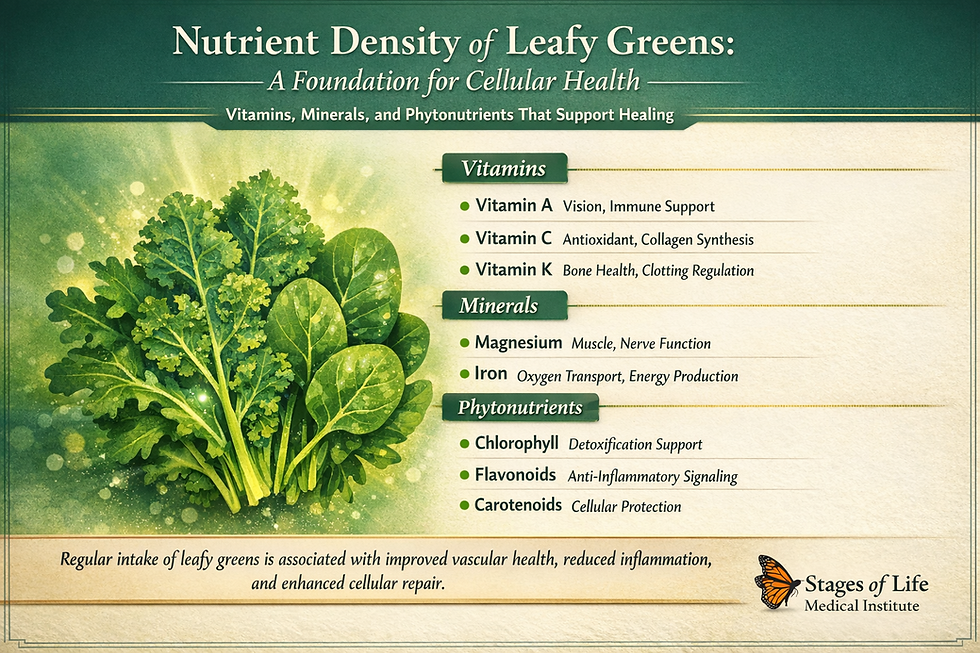
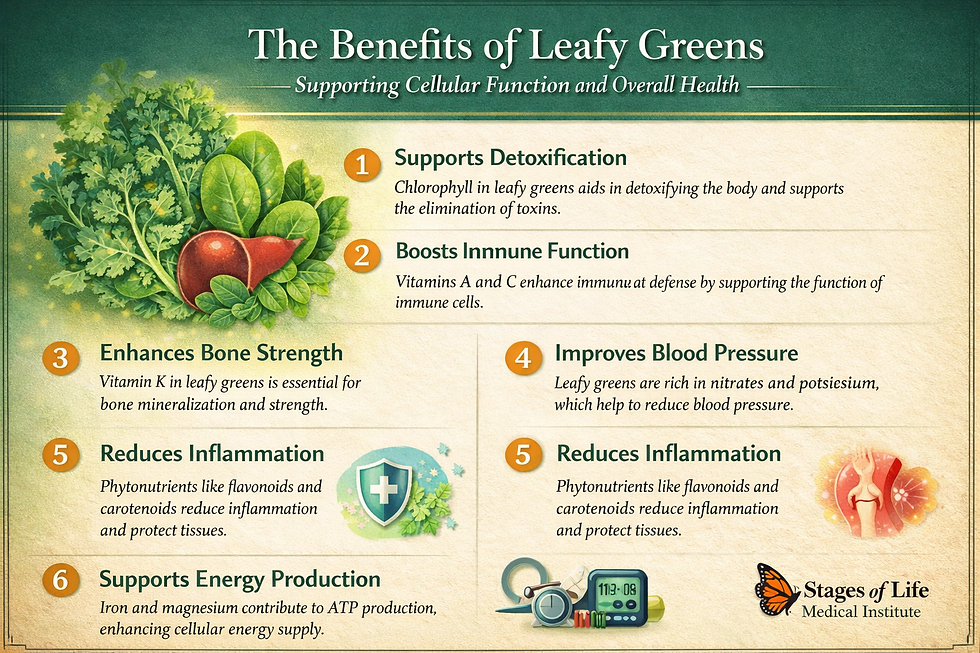
Leafy Greens
Rich in vitamins A, C, and K, along with magnesium and folate, leafy greens support:
Cardiovascular health
Detoxification pathways
Cellular repair
Regular intake has been associated with reduced risk of heart disease and improved vascular function⁵
Berries
Berries are concentrated sources of:
Anthocyanins
Flavonoids
These compounds support:
Cognitive function
Reduced oxidative stress
Improved vascular health
Regular consumption has been associated with improved memory and neuroprotection⁶
Fatty Fish
Salmon, sardines, and mackerel provide:
EPA and DHA (omega-3 fatty acids)
These are essential for:
Reducing inflammation
Supporting cardiovascular health
Maintaining neuronal integrity
Dietary omega-3 intake has been associated with reduced cardiovascular risk and improved metabolic outcomes³
Nuts and Seeds
Walnuts, chia seeds, and flaxseed provide:
Healthy fats
Fiber
Micronutrients
These support:
Lipid balance
Satiety and metabolic control
Cardiovascular protection
Regular consumption is associated with reduced cardiovascular risk⁷
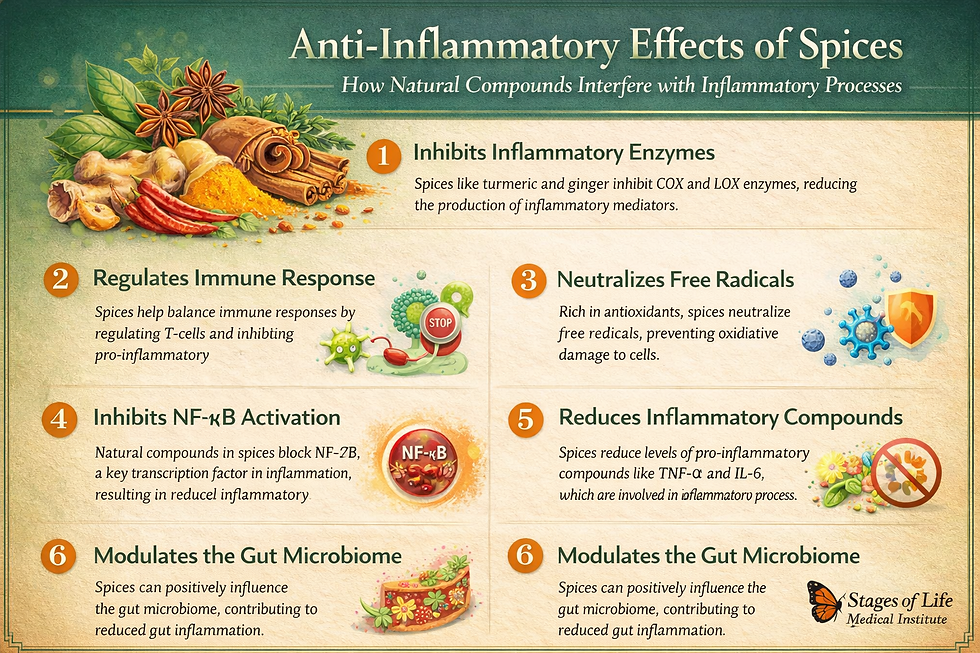
Spices and Botanicals
Often overlooked, these are among the most concentrated sources of bioactive compounds:
Turmeric (curcumin) – anti-inflammatory
Ginger – digestive and anti-nausea support
Cinnamon – improved glucose metabolism
These act as low-dose, cumulative modulators of metabolic and inflammatory pathways⁸
How to Incorporate Medicinal Foods into Daily Life
1. Structure Meals Intentionally
Build meals around:
Vegetables as the foundation
Healthy fats
Lean proteins
Example:
Grilled salmon, sautéed spinach, olive oil
2. Use Smoothies Strategically
Smoothies provide an efficient way to deliver multiple beneficial compounds:
Leafy greens
Berries
Seeds
Nut-based liquids
This approach increases consistency in nutrient intake.
3. Optimize Cooking Methods
Preparation influences nutrient availability:
Steaming preserves micronutrients
Light sautéing maintains bioavailability
Avoid prolonged high heat when possible
The Importance of a Balanced Approach
No single food can compensate for an overall poor dietary pattern.
Optimal nutrition includes:
Whole, minimally processed foods
A diversity of plant-based nutrients
Adequate protein intake
Healthy fats
Equally important are:
Sleep quality
Physical activity
Stress management
These factors work together to influence long-term health outcomes.
When to Seek Medical Guidance
Patients with:
Insulin resistance
Cardiovascular disease
Autoimmune conditions
Chronic inflammation
Often, you will benefit from a more structured, physician-guided nutritional approach.
Individualization is critical—what works for one patient may not be optimal for another.
A Clinical Perspective
One of the most important shifts a patient can make is this:
Food is not passive—it is biologically active.
Each meal represents:
A metabolic signal
An inflammatory input
A long-term influence on health trajectory
Understanding this allows patients to make more informed, intentional choices.

Bottom Line
Food is one of the most powerful tools available for improving health.
When chosen deliberately, it can:
Reduce inflammation
Support cardiovascular and cognitive function
Improve metabolic health
Enhance long-term resilience
Small, consistent changes in dietary patterns often yield meaningful improvements over time.
Become a Patient
If you would like a structured, physician-guided approach to nutrition, inflammation, and long-term disease prevention:
👉 Stages of Life Medical Institutehttps://www.stagesoflifemedicalinstitute.com
References
Hewlings SJ, Kalman DS. Curcumin: A Review of Its Effects on Human Health. Foods. 2017;6(10):92. https://pubmed.ncbi.nlm.nih.gov/29065496/
Ried K, et al. Effect of garlic on serum lipids: meta-analysis. J Nutr. 2016. https://pubmed.ncbi.nlm.nih.gov/26853946/
Calder PC. Omega-3 fatty acids and inflammatory processes. Nutrients. 2010. https://pubmed.ncbi.nlm.nih.gov/22254027/
Del Rio D, et al. Dietary polyphenols and health. Antioxid Redox Signal. 2013. https://pubmed.ncbi.nlm.nih.gov/22794138/
Zhan J, et al. Fruit and vegetable intake and cardiovascular risk. J Am Heart Assoc. 2017. https://pubmed.ncbi.nlm.nih.gov/28784692/
Devore EE, et al. Berry intake and cognitive decline. Ann Neurol. 2012. https://pubmed.ncbi.nlm.nih.gov/22535616/
Guasch-Ferré M, et al. Nut consumption and cardiovascular disease. BMJ. 2017. https://pubmed.ncbi.nlm.nih.gov/28747237/
Cao H, et al. Cinnamon and glucose metabolism. J Diabetes Sci Technol. 2010. https://pubmed.ncbi.nlm.nih.gov/20513337/


David S. Klein, MD, FACA, FACPM
1917 Boothe Circle, Suite 171
Longwood, Florida 32750
Tel: 407-679-3337
Fax: 407-678-7246


.webp)